

What is fraud?
Fraud refers to deceptive or dishonest activities carried out within an organisation by employees, management, or third parties, with the intention of obtaining unauthorized benefits, causing harm to the organisation, or misleading stakeholders. Corporate fraud involves fraudulent acts that specifically target the company itself or its operations, assets, financial statements, or stakeholders. It can take various forms and impact different areas within the corporate environment.
What are the responsibilities on frauds shared among various parties within an organisation?
In a corporate setting, the responsibilities for fraud prevention and detection are shared among various parties as listed below.

What are the basic audit documentations required by external auditors relate to fraud?
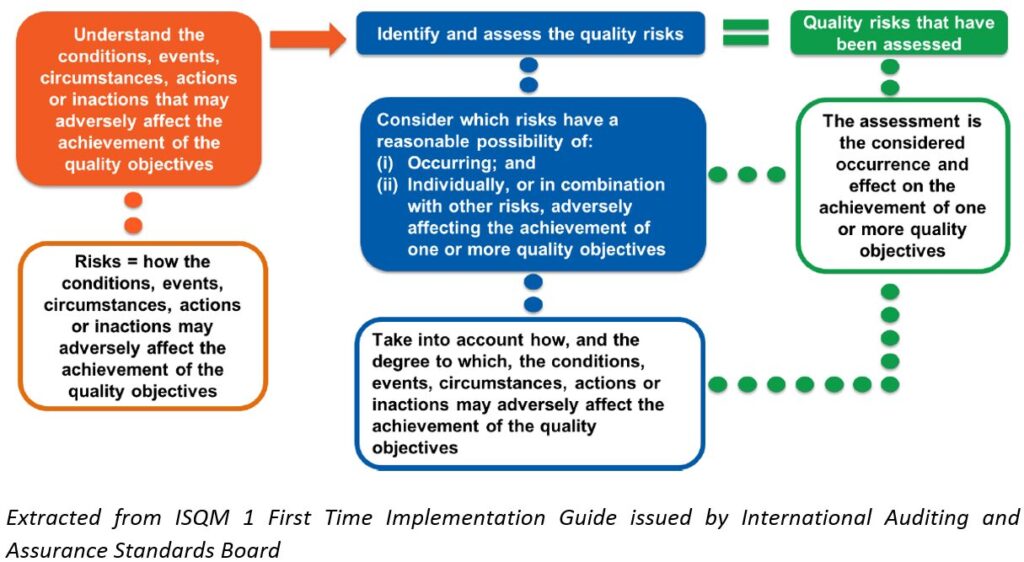
The primary focus of the external auditors is NOT to prevent and detect fraud. However, we are responsible to design and perform audit procedures that are designed to identify material misstatements due to fraud. We are required to document our work in order to support our findings and conclusions. Below are some basic audit documentations relate to fraud that we will prepare for all of the engagement regardless of the size of the company:
1. Fraud Risk Assessment Documentation
This includes documentation of our evaluation of fraud risks specific to the entity, industry, and relevant business processes. It encompasses an assessment of the likelihood and potential impact of fraud, identification of fraud risk factors, and consideration of the effectiveness of the entity’s anti-fraud controls.
2. Audit Planning Documentation
This includes documentation of the overall audit strategy and the audit plan related to fraud risks. It outlines the nature, timing, and extent of audit procedures designed to address the risk of material misstatement due to fraud. The documentation should demonstrate our consideration of potential fraud schemes, areas of higher risk, and specific procedures to be performed.
3. Interview Notes and Memorandum
Documentation of interviews conducted with management, employees, or other relevant individuals as part of assessing fraud risks. This includes notes from discussions regarding the organisation’s control environment, fraud prevention activities, and knowledge of any suspected or actual fraud incidents.
4. Analytical Procedures Documentation
Documentation of the analytical procedures performed to identify potential indicators of fraud or unusual financial patterns. This includes the selection of relevant financial and non-financial data, the analysis performed, and any significant deviations or anomalies identified.
5. Test of Controls and Substantive Procedures Documentation
Documentation of procedures performed to test the effectiveness of internal controls and detect potential fraud. This includes the nature and extent of the procedures performed, the results obtained, and any exceptions or indications of fraud identified during testing.
6. Documentation of Identified or Suspected Fraud
If the auditor identifies or suspects fraud during the course of the audit, documentation should include detailed information about the nature of the fraud, the potential impact on the financial statements, and the auditor’s response. This may involve additional procedures performed, communications with management or those charged with governance and any reporting obligations to relevant authorities.
7. Communication Documentation
Documentation of communications related to fraud, including discussions with management, the audit committee, or others within the organisation regarding fraud risks, significant findings, or suspected fraudulent activities. This includes the content of discussions, decisions made, and any follow-up actions taken.
Lastly, fraud can have SEVERE consequences for an organisation, including financial losses, reputational damage, legal liabilities, and loss of stakeholder trust. Implementing robust internal controls, conducting regular audits, promoting a culture of ethics and integrity, and fostering strong governance practices are vital in preventing and detecting corporate fraud.